
The Evolution of New Sketching in Vikash Kalra’s Artistic Journey
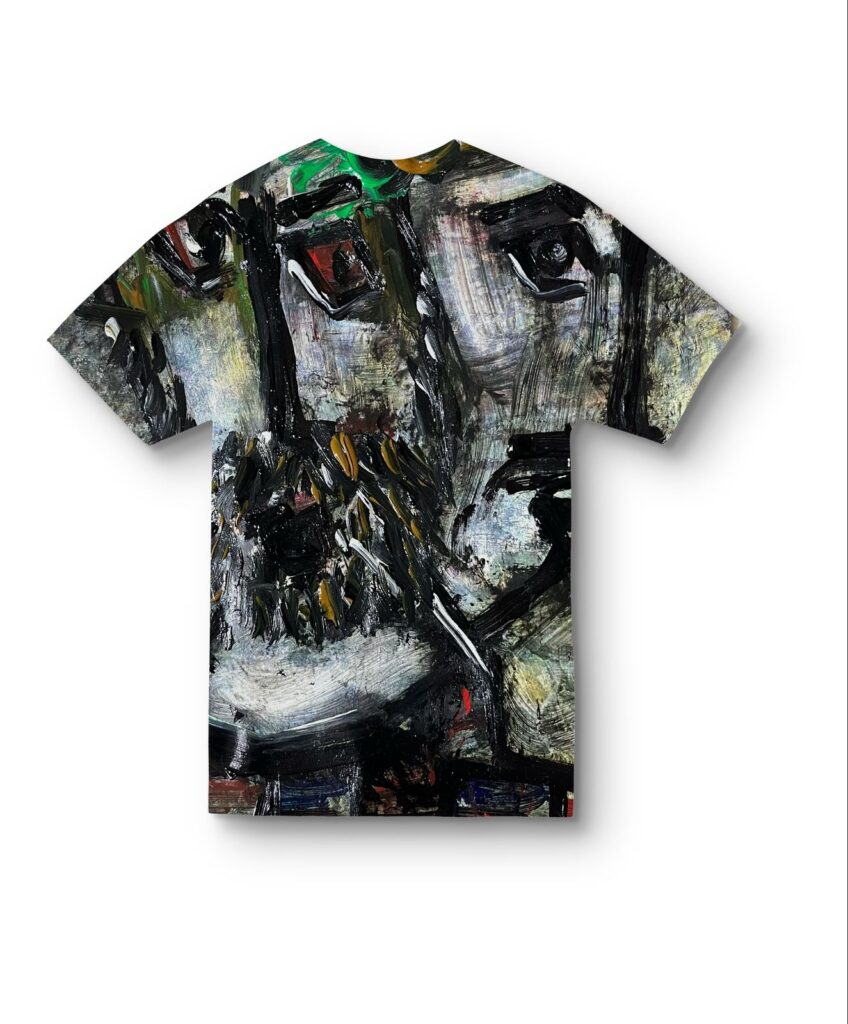
In the vibrant world of contemporary Indian art, few names stand out like Vikash Kalra. Known for his expressive and instinctive style, Kalra’s work has always resonated with raw emotion and spiritual depth. One of the most compelling aspects of his creative journey is the evolution of his new sketching technique—a process that reflects both personal transformation and artistic maturity.
Early Inspirations: Foundations of a Sketching Vision
Vikash Kalra’s early exposure to modern masters like F.N. Souza and Pablo Picasso laid a solid foundation for his early sketches. His initial works were detailed, figurative, and deeply rooted in realism. Over time, however, Kalra began to move away from replication and toward exploration. His early sketchbooks reveal a restless energy—one that would eventually crystallize into a more fluid and spiritual style.
Back then, new sketching wasn’t about perfection but about process. For Kalra, a pencil or charcoal stick was a channel for unspoken thought. His strokes were unrefined, but even then, each line carried a clear emotional charge.
The Transition: From Figurative to Expressive Sketching
As Vikash Kalra’s spiritual practice deepened, so did the expressiveness of his sketches. He started embracing the concept of art as a spiritual act, and his drawings became more abstract, intuitive, and instinct-driven. The new sketching style that emerged was minimal yet intense. Each sketch now served as a visual mantra—rich in symbolism, emotion, and metaphysical exploration.
He moved beyond the constraints of classical proportion and perspective, allowing his inner voice to guide his hand. Lines flowed more freely. Faces were distorted yet more human. The aim was no longer to depict reality but to express its emotional resonance.
Tools and Techniques: The Mechanics of New Sketching
Kalra’s current approach to new sketching involves a minimalistic yet emotionally rich palette of tools: graphite, charcoal, and ink pens. What sets his new sketching apart is the speed and spontaneity of execution. He often creates sketches in rapid succession, trusting instinct over deliberation.
He prefers textured paper that absorbs the energy of his hand movements. Rather than erasing errors, he embraces them—letting each mark become a part of the narrative. This reflects his belief that art, like life, is imperfect and beautifully chaotic.
Kalra’s new sketching is as much about silence as it is about stroke. Negative space is a critical element, offering visual pauses that allow viewers to breathe with the artwork. The compositions are deceptively simple, but they hold layers of meaning that unfold with time.
The Philosophy Behind the Line
At the core of Vikash Kalra’s sketching philosophy is the idea that every line is a truth. His sketches are not planned; they are received. This intuitive approach has roots in Zen philosophy and Indian spiritualism. Kalra often meditates before sketching, seeking to dissolve ego and let the subconscious guide the form.
This has resulted in a body of work where each sketch feels alive—raw, vulnerable, and authentic. His new sketching captures fleeting emotions, internal dialogues, and transcendent visions that words fail to articulate.
New Sketching Meets Technology
As digital platforms expand the global reach of artists, Kalra has begun sharing his new sketching online, attracting a wider international audience. His Instagram, online exhibitions, and art marketplace listings allow his work to travel far beyond gallery walls.
In the digital space, his sketching remains analog in spirit but finds new meaning. Viewers from around the world engage with the immediacy of his line work. Some collect prints. Others are drawn into the stories and energy of the pieces. The online ecosystem has played a critical role in making Kalra’s evolving style accessible and influential.
Signature Elements of Kalra’s New Sketching Style
Spontaneity: Kalra’s sketches are rarely pre-planned. The moment guides the movement.
Emotive Line Work: Each line is expressive and loaded with feeling.
Spiritual Energy: His sketches often carry a meditative or transcendental aura.
Minimal Color: He uses black and white to emphasize emotional contrast.
Symbolic Faces & Forms: Human figures are abstracted to communicate universal emotions.
Impact and Legacy
Vikash Kalra’s new sketching style has influenced a generation of young Indian artists seeking authenticity in their work. By embracing imperfection and intuition, Kalra encourages others to sketch from the soul rather than the surface. His journey is a masterclass in artistic evolution—proof that great art is born not just from talent, but from transformation.
As his journey continues, his sketches evolve—not just in form, but in depth. They continue to provoke thought, stir emotion, and invite contemplation.
Conclusion: Sketching as a Mirror of the Soul
In the hands of Vikash Kalra, new sketching is more than an artistic medium—it is a way of seeing, feeling, and existing. It’s a visual diary, a prayer, a scream, and a silence, all rolled into one. His evolving sketching style reflects a dynamic life and a spirit constantly in motion. Through each stroke, he offers not just a piece of art, but a piece of himself.