
Every Art Piece Has a Story: The Hidden Narratives in Vikash Kalra’s Paintings
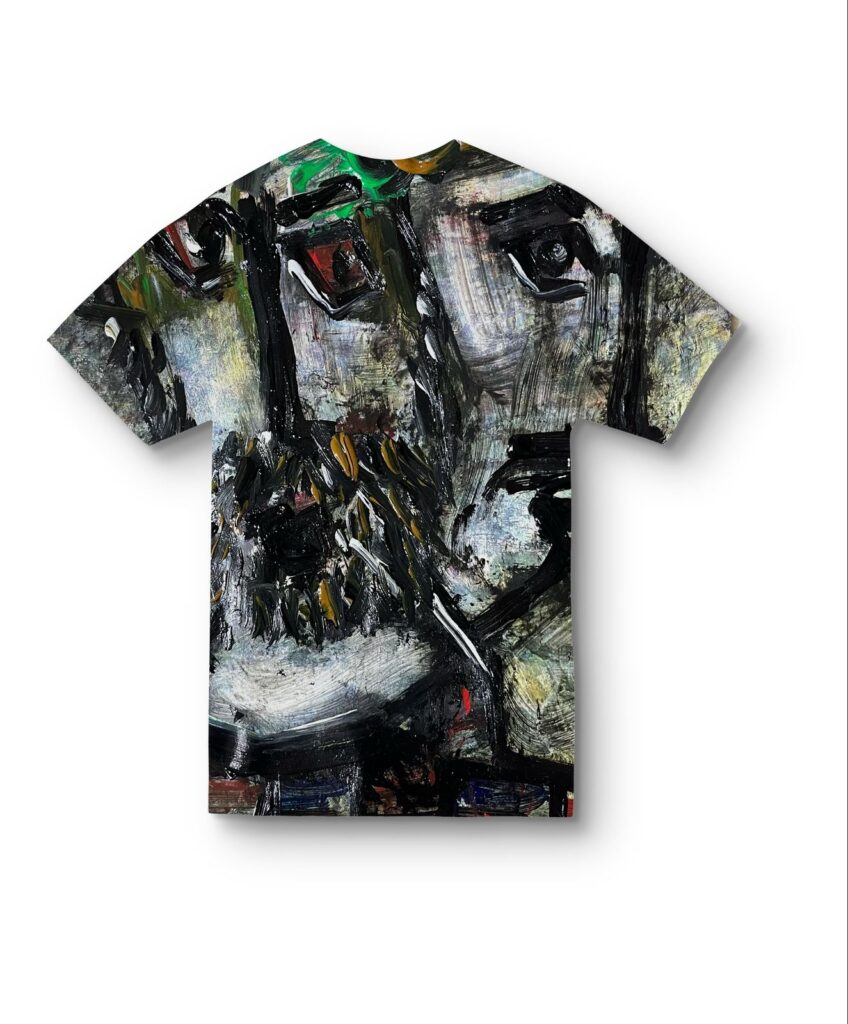
In the realm of contemporary Indian art, every art piece created by Vikash Kalra resonates far beyond the surface. Known for his emotive brushstrokes and dynamic compositions, Kalra doesn’t just paint — he narrates. Each art piece in his collection carries within it a story: a hidden narrative, a philosophical question, or an emotional journey. His canvas is not merely visual; it is deeply spiritual, reflective, and personal.
The Art Piece as a Mirror of the Soul
One of the most compelling aspects of Vikash Kalra’s style is how he uses an art piece to reflect the emotional undercurrents of life. Unlike traditional works that focus on literal interpretation, Kalra’s pieces often demand introspection. Each line, color, and texture in his artwork is a deliberate choice — meant not just to be seen but to be felt. The soul of an art piece, for Kalra, lies in its ability to evoke a dialogue between the viewer and the canvas.
Narratives Beyond Form and Figure
Kalra’s unique ability to blur the boundaries between abstract and figurative styles adds layers to the narrative of each art piece. While some works feature distorted faces, others are composed entirely of layered brushstrokes or symbolic forms. In “The Echo of Silence,” for instance, the human face is fractured — suggesting the duality of identity in modern times. In another, “The Blue Monk,” color and isolation narrate a story of spiritual solitude. These paintings go beyond visuals; they act as metaphors.
Philosophy in Paint
At the core of Vikash Kalra’s every art piece is a philosophical question. Influenced by both Indian mysticism and Western existentialism, Kalra infuses his work with themes of impermanence, self-awareness, and inner chaos. In several paintings, fragmented human forms float in undefined spaces — symbolizing the disconnection in a hyper-connected world. Other pieces use recurring motifs like closed eyes, open palms, or infinite spirals to invite contemplation.
One of his most talked-about art pieces, “Inside the Void,” is a visual reflection on emptiness and self-loss. The absence of form in much of the canvas forces the viewer to confront their own meaning-making process — turning passive viewing into active interpretation.
Personal Emotions in Public Space
What sets Kalra’s work apart is the boldness with which he makes private emotions publicly accessible. Each art piece stems from an intensely personal place — often inspired by meditation, love, grief, or societal observation. His paintings titled “Tears of the Canvas” and “Unspoken Memories” are poignant examples of how he processes personal experiences into universal truths. The cracked lines, smudged colors, and harsh textures reflect real emotional states — not crafted for aesthetic pleasure, but for raw expression.
Cultural Commentary and Symbolism
Vikash Kalra’s paintings also serve as subtle commentaries on cultural and social themes. Many of his art pieces explore themes like urban alienation, spiritual decay, and cultural identity. In works such as “Modern Saints” and “Delhi Dreams,” Kalra uses religious symbolism and city landscapes to question the loss of meaning in the modern Indian experience.
The visual artwork doesn’t provide direct answers — instead, it offers clues. These art pieces are coded with meaning: lotus flowers as hope, birds as freedom, and shadows as suppressed thoughts. For those who take the time to look closer, every brushstroke tells a deeper story.
Technique as a Narrative Tool
It is not just what Vikash Kalra paints, but how he paints it that adds depth to every art piece. His use of palette knives, broken brushes, bare hands, and even rags in the painting process shows a kind of physical dialogue with the medium. The result is a textured, raw surface that mirrors human emotion — rough, uneven, and real.
In some works, he uses rapid brushstrokes to express urgency, while in others, slow, circular motions hint at meditative calm. This deliberate variety in technique helps each art piece express a unique emotional tone — from anguish to serenity, chaos to clarity.
Conclusion: Stories Waiting to Be Heard
In Vikash Kalra’s world, no art piece is silent. Every painting whispers, weeps, or wonders. His collection at Maximum Ego is more than a visual display — it is a library of human emotion and philosophical inquiry, told through color, form, and texture. Each art piece carries a hidden story, waiting for the viewer to unlock it with their own perception and presence.
For those seeking more than décor — for those looking for connection, for truth, for soul — a Vikash Kalra art piece offers more than art. It offers meaning.