
- by maximumegoadmin
- 0
- Posted on
Vikash Kalra: The Untamed Visionary of Indian Abstract Art
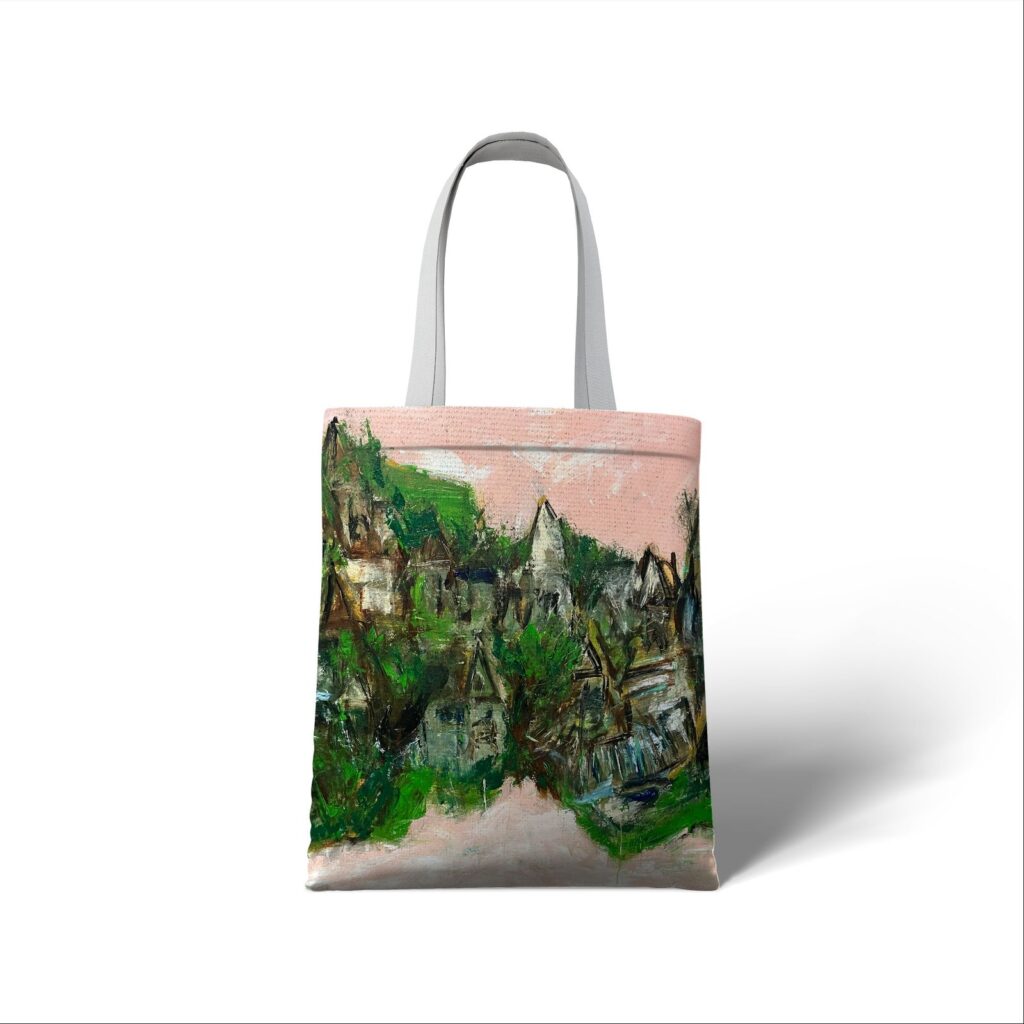
In the ever-evolving narrative of Indian contemporary art, few names resonate with such raw intensity and fearless expression as Vikash Kalra. A self-taught artist who defies convention, Kalra stands apart—not merely for what he creates, but how he creates. His art is not about technique or tradition; it is about instinct, rebellion, and an almost spiritual communion with form and color. Bold, chaotic, and profoundly emotional, Vikash Kalra’s work is less a statement and more a surge—a visceral release of the subconscious.
The Self-Taught Revolution
Unlike many of his contemporaries, Kalra’s journey didn’t begin in art school. It began with a relentless internal urge to create, without filters, without rules. A corporate job and a conventional path couldn’t cage the creative storm within him. So, he quit. No formal training, no structured learning. Just raw passion and an obsession with masters like Pablo Picasso and F.N. Souza.
Yet, rather than mimic them, Kalra internalized their spirit of disruption. Like Souza, he paints beyond boundaries. Like Picasso, he explores distortion not as a flaw but as a new dimension of truth. But ultimately, Kalra is unmistakably his own force—an Indian artist deeply connected to his roots, yet courageously global in vision.
Abstract Art as Emotional Terrain
In Kalra’s paintings, abstraction is not a style—it’s a language. Jagged lines, tumultuous forms, fragmented faces, and layers of overlapping hues create a field of emotional tension. His works don’t ask to be “understood.” They invite you to feel. Each canvas is a psychological mirror: intense, unresolved, deeply human.
The imperfections in his compositions are not mistakes but deliberate fractures—like fault lines exposing something primal beneath the surface. For Kalra, abstraction is not about intellectualism. It’s about vulnerability. His brush doesn’t decorate; it deconstructs.
Sculptures: When Chaos Finds Form
While Kalra’s paintings explode with energy, his sculptures provide a contrasting experience. They are quieter, more contemplative—but no less intense. His three-dimensional work reflects the same emotional force, but now channeled into curves, bends, and textures that breathe with life.
Forged in metal and shaped with an almost meditative hand, his sculptures are not simply objects—they are physical extensions of his thoughts. Each sculpture feels like a gesture paused in time—unfinished, asymmetrical, yet whole in its imperfection.
Themes: Spirituality, Duality, and the Human Psyche
Recurring across Kalra’s body of work are themes of duality—light and dark, control and chaos, calm and turbulence. Faces appear in fragments. Bodies are contorted. Emotions are unfiltered. His art doesn’t strive for harmony; it embraces contradiction.
There’s also a strong spiritual undercurrent to his practice. Not religious, but existential. His work often reflects the inner battle between the material and the metaphysical. In this way, Kalra’s pieces function like visual mantras—inviting the viewer to slow down, breathe, and engage beyond the surface.
Contrasting Realms: A Landmark Exhibition
In his solo exhibition “Contrasting Realms: The Intersection of Calm & Chaos,” Kalra laid bare the core of his artistic philosophy. The exhibit offered a juxtaposition of serene sculpture and violent abstraction, allowing viewers to walk through the emotional landscapes he inhabits.
This exhibition wasn’t just a showcase of talent—it was a statement. A declaration that Indian art doesn’t have to fit into the binary of “traditional” vs. “modern.” It can be unapologetically personal, emotionally raw, and still echo with cultural depth.
Collector’s Favorite, Critics’ Enigma
Kalra’s work resides in several private and corporate collections, both in India and abroad. And yet, he remains something of a mystery in critical circles—largely because his work resists categorization. Is he a modernist? An expressionist? A surrealist? He’s all of them and none of them.
And that’s precisely why collectors are drawn to him. Kalra doesn’t paint to please; he paints to purge. Each piece feels alive—unfinished in the best way. His art makes you feel something, and in a world obsessed with perfection and polish, that alone is revolutionary.
Why Vikash Kalra Matters
In today’s art ecosystem, where curated aesthetics and commercial strategies often overshadow authenticity, Vikash Kalra is a rare breed. He is untamed. And that’s not a poetic flourish—it’s the essence of who he is as an artist.
He doesn’t care for trends. He doesn’t chase galleries. He paints and sculpts because he has to. Because to not create would be a form of self-erasure. That urgency, that hunger, is what makes his art impossible to ignore.
The Maximum Ego of Creation
There’s something beautifully ironic about Kalra’s place on a platform like Maximum Ego. Because while his art is deeply personal and at times ego-driven, it also strips the ego bare. His process isn’t about control—it’s about surrender. And that’s what makes his ego maximum—not in size, but in truth.
Vikash Kalra reminds us that art doesn’t always need a pedestal. Sometimes, it just needs to be felt. With every line, every curve, every imperfect stroke, he brings us closer to our own emotional core.
In a world full of curated calm, Vikash Kalra is the beautiful, brutal storm we didn’t know we needed.