
- by maximumegoadmin
- 0
- Posted on
The Role of Fine Art in Contemporary Indian Culture: Insights from Vikash Kalra
Introduction
Fine art has long been a powerful medium for reflecting and shaping the cultural and societal landscape of any era. In contemporary India, fine art holds a mirror to the dynamic changes occurring across the country, from shifting social norms to evolving political landscapes. Artists like Vikash Kalra, with their self-taught mastery and bold experimentation, play a pivotal role in pushing the boundaries of what fine art represents in modern India. This article explores how fine art influences and reflects contemporary Indian society, using insights from Vikash Kalra’s works to understand the broader trends in Indian culture.
The Significance of Fine Art in Contemporary Indian Society
In India, a country with a rich heritage of traditional art forms, fine art has evolved to become a channel for personal expression, social commentary, and cultural dialogue. Fine art, in the modern context, reflects the tensions, triumphs, and transformations that characterize contemporary Indian society. It transcends mere aesthetics, becoming a powerful vehicle for cultural expression and identity formation. Vikash Kalra’s abstract expressionism, for example, provides a unique lens through which to examine this role.
Vikash Kalra: A Self-Taught Artist Defining Modern Fine Art
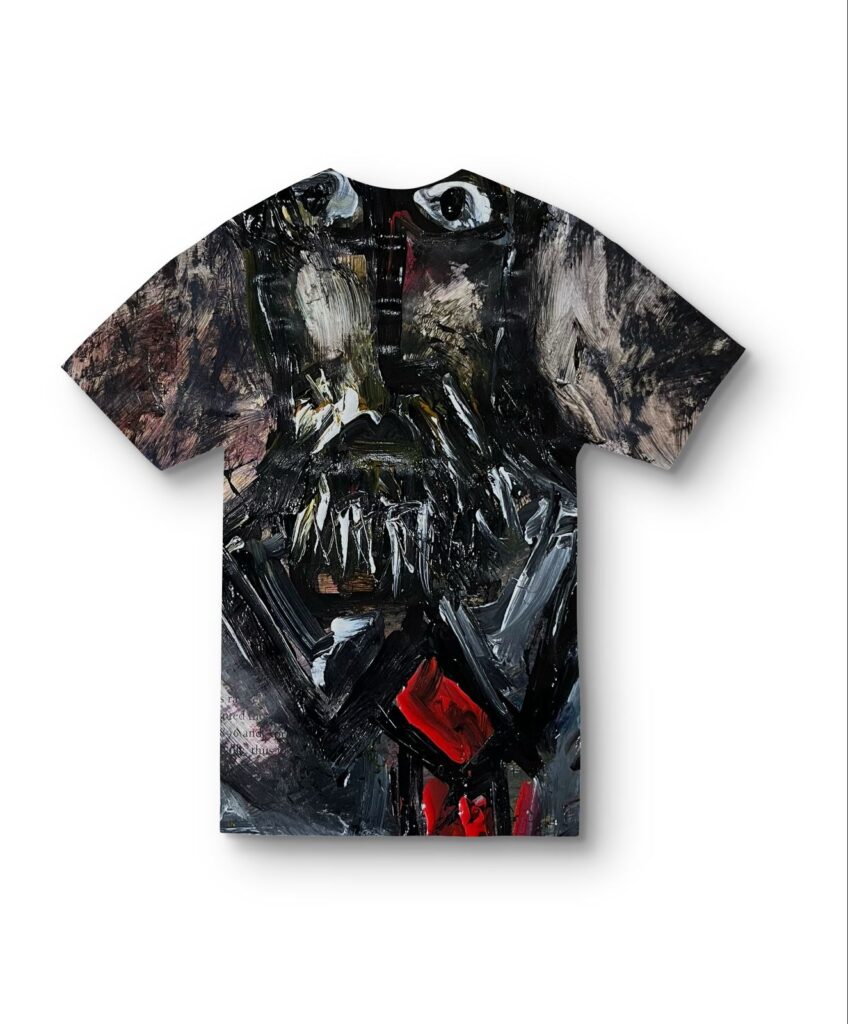
Vikash Kalra’s journey as an artist is remarkable not just because of his technical prowess but also due to his ability to reflect India’s evolving cultural dynamics. As a self-taught artist, Kalra challenges traditional norms of fine art and embraces a more experimental and introspective approach. His works are known for their raw emotional depth, exploring complex themes of spirituality, chaos, and human experience.
Kalra’s art stands out in the way it speaks to both the past and the present. His ability to blend elements of traditional Indian art with contemporary abstract expressionism exemplifies how fine art can bridge cultural gaps. Kalra’s paintings are often imbued with symbolic meanings drawn from his personal spiritual practices and meditation, which resonate deeply in a society like India’s, where spirituality and self-exploration play an integral part in daily life.
Fine Art as a Reflection of India’s Changing Identity
India is experiencing rapid social and economic transformation. The country is transitioning from a traditional society to one that is increasingly influenced by globalization, technology, and urbanization. Fine art plays a vital role in this transformation, as it captures the tension between tradition and modernity, providing an introspective commentary on the nation’s evolving identity.
Kalra’s work embodies this intersection between tradition and modernity. While his style may seem abstract, his paintings are rich in cultural symbolism and emotional expression. The fluidity and boldness of his strokes symbolize the freedom that comes with modernity, while the underlying themes often connect back to traditional Indian philosophies and spiritual practices. This juxtaposition of old and new is a hallmark of contemporary Indian art, and Kalra’s work serves as a perfect example of how fine art can reflect and influence society’s collective consciousness.
Fine Art as Social Commentary
Fine art, as demonstrated by artists like Vikash Kalra, is often a form of social commentary. In India’s contemporary society, where issues of caste, religion, and politics continue to shape the national discourse, art provides a platform for expressing dissent, highlighting social injustice, and questioning norms. Kalra’s works, though primarily abstract in nature, often touch upon deep, underlying societal issues, inviting viewers to reflect on the complexities of human experience.
Kalra’s abstract expressionism doesn’t shy away from exploring these themes, offering a space where emotions like frustration, alienation, and hope can be conveyed through color and form. These emotional expressions are integral to understanding the socio-political landscape of India, where people constantly navigate between historical influences and the pressures of a rapidly changing world.
Through his art, Kalra invites viewers to step into a world that is not immediately recognizable but deeply emotive and thought-provoking. The abstract nature of his works forces the viewer to engage with the art on a personal level, reflecting their own experiences and understanding of the world. In this way, Kalra’s fine art serves as a mirror to society, encouraging introspection and dialogue about issues that often go unaddressed in everyday life.
The Impact of Technology and Digital Platforms on Fine Art in India
As India becomes more digitally connected, fine art has found new avenues for exposure and engagement. Online galleries and digital exhibitions have made it easier for artists like Vikash Kalra to reach a global audience, allowing their works to be appreciated and collected beyond the borders of India. These platforms also allow artists to remain relevant in a digital-first world, where the traditional gallery system no longer holds the monopoly on art sales.
For Kalra, this digital shift has been crucial in expanding his reach, enabling art lovers and collectors from around the world to discover and purchase his works online. Through digital platforms, fine art is no longer confined to galleries or physical spaces; it is now an accessible form of cultural exchange, bringing Indian artworks to international audiences.
Furthermore, the digital revolution has allowed artists to experiment with new mediums and techniques. While Kalra remains committed to traditional painting techniques, the rise of digital art and multimedia allows new forms of artistic expression. This dynamic exchange between traditional and digital forms of fine art highlights the ongoing evolution of contemporary Indian culture, which continues to be influenced by both local traditions and global trends.
The Role of Fine Art in Shaping Cultural Identity
Fine art in contemporary India plays a crucial role in shaping the country’s cultural identity. As the nation grapples with modernization, globalization, and the preservation of its traditional roots, fine art serves as a means to celebrate its diversity and complexity. Vikash Kalra’s work, with its fusion of modern abstract techniques and traditional Indian philosophies, acts as a visual representation of India’s cultural dichotomy.
His art allows viewers to engage with contemporary India on a deeper level, encouraging them to reflect on their own place within society. The influence of spirituality, nature, and emotion in his pieces speaks to the heart of Indian culture, where art is often intertwined with philosophy and inner reflection. Kalra’s work challenges us to consider how we define our identities, both as individuals and as a society.
Conclusion
The role of fine art in contemporary Indian culture is multifaceted and ever-evolving. Artists like Vikash Kalra, with their ability to blend tradition with modernity, push the boundaries of artistic expression while reflecting the complexity of modern Indian society. Through their work, fine art serves as both a mirror and a lens, offering insights into the social, political, and spiritual transformations that shape India today.
Fine art remains a powerful tool for reflection and expression in contemporary India, and as digital platforms continue to democratize access to art, artists like Vikash Kalra will continue to influence and inspire new generations of art lovers, both in India and around the world. By exploring the emotional and spiritual depths of human experience through abstract expressionism, Kalra’s fine art offers a window into the soul of contemporary India, inviting viewers to engage with the world around them in a profound and meaningful way.